
How to Determine the Sealing Type of Butterfly Valves
Among the components of a butterfly valve, sealing performance directly determines whether the medium leaks and whether the system operates safely. Choosing the right sealing method is the most crucial step in butterfly valve types selection. Today, we'll break down the common sealing types of butterfly valves and guide you through understanding the "fitting code" of different sealing methods!
Ⅰ. Soft-Seal Butterfly Valve
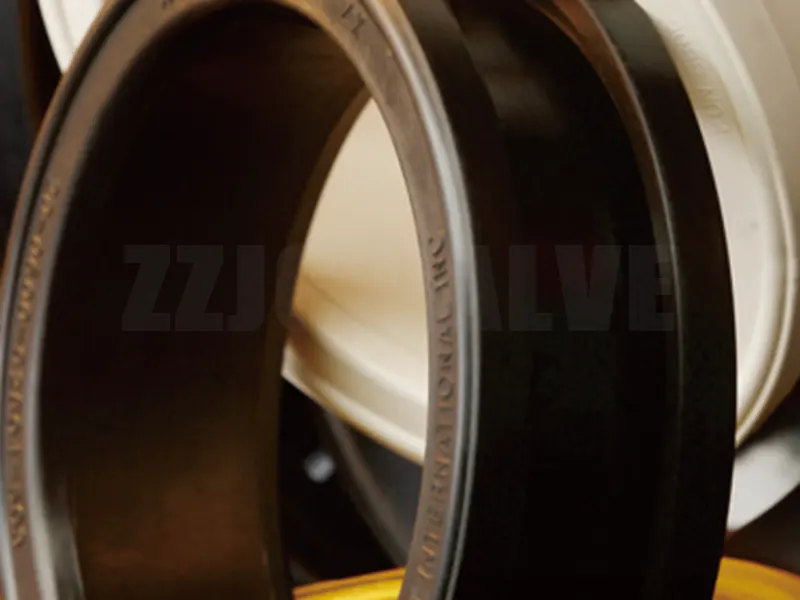
Soft seals are the most mainstream sealing form for butterfly valves. Common sealing materials include EPDM rubber, PTFE rubber, NBR rubber, and FKM rubber.
Core Advantages:
① Excellent sealing performance, low leakage rate at normal temperature and low pressure, even reaching a "zero leakage" level.
② Extremely high cost-effectiveness when adapted to small and medium diameter butterfly valves.
③ Minimal wear on the valve seat, the elastic material is soft, and the frictional loss on the metal valve seat during opening and closing is far lower than that of hard seals.
Applicable Scenarios and Limitations: Suitable for scenarios with mild media and low pressure and temperature. The operating temperature is usually no more than 120℃, and the pressure is no more than 1.6MPa. Limitations include aging at high temperatures, corrosion from strong corrosive media, and deformation of the sealing layer under high pressure, leading to seal failure.
Ⅱ. Hard-Seal Butterfly Valves
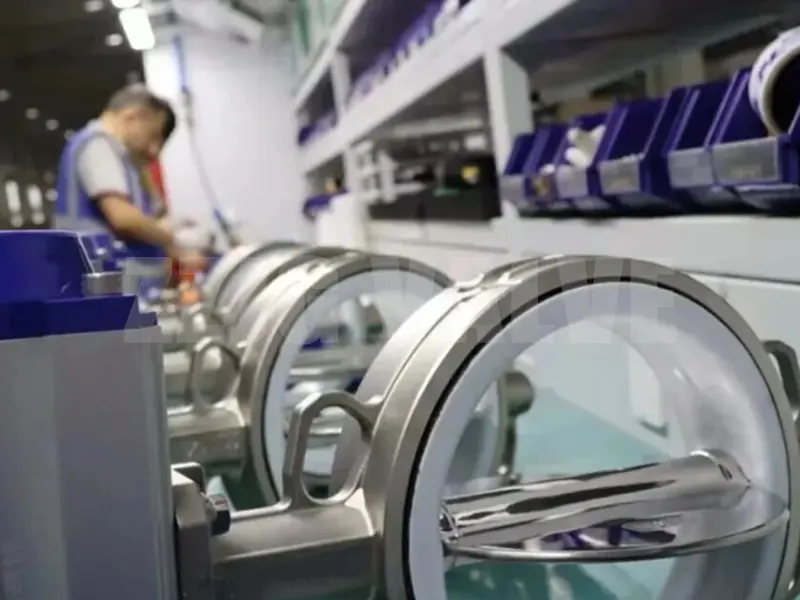
The core difference between hard and soft seals lies in the fact that hard seals use metal for both the valve disc and seat. Common combinations include "stainless steel + stainless steel," "stainless steel + hard alloy," and "hard alloy + hard alloy." In some applications, a hard coating (such as ceramic or tungsten carbide) is applied to the metal surface to improve wear and corrosion resistance.
Core advantages:
① Outstanding high-temperature and high-pressure resistance: The metal material can withstand temperatures above 300℃ (special materials such as high-temperature alloys can withstand 600℃+), with a pressure range up to 16 MPa, capable of handling harsh conditions such as high-temperature steam and high-pressure oil and gas.
② Strong corrosion and wear resistance: Selected materials (such as 316L stainless steel or Hastelloy) can withstand strong acids and alkalis, and the hardened sealing surface can resist the erosion of particulate media.
③ Long service life: The metal sealing pair is resistant to aging and wear.
Applicable Scenarios and Limitations: Suitable for harsh working conditions involving high temperature, high pressure, strong corrosion, and particulate matter. Its limitation lies in butterfly valve slightly inferior sealing performance compared to soft seals at normal temperature and low pressure, making it prone to minor leaks.
Ⅲ. Selection Summary: 3 Steps to Determine the Optimal Sealing Method
The core of selecting a sealing method is "working condition matching." Remember these 3 steps for accurate selection:
① Consider the characteristics of the medium: Choose soft seals for mild, non-corrosive media; choose hard seals for strong corrosive media containing particles.
② Consider the pressure and temperature: Choose soft seals for normal temperature (≤120℃) and low pressure (≤1.6MPa); choose hard seals for high temperature (≥300℃) and high pressure (≥4MPa).
③ Consider the core requirements: Choose soft seals for cost-effectiveness; choose hard seals for long service life and resistance to harsh working conditions.
Ⅰ. Soft-Seal Butterfly Valve
Soft seals are the most mainstream sealing form for butterfly valves. Common sealing materials include EPDM rubber, PTFE rubber, NBR rubber, and FKM rubber.
Core Advantages:
① Excellent sealing performance, low leakage rate at normal temperature and low pressure, even reaching a "zero leakage" level.
② Extremely high cost-effectiveness when adapted to small and medium diameter butterfly valves.
③ Minimal wear on the valve seat, the elastic material is soft, and the frictional loss on the metal valve seat during opening and closing is far lower than that of hard seals.
Applicable Scenarios and Limitations: Suitable for scenarios with mild media and low pressure and temperature. The operating temperature is usually no more than 120℃, and the pressure is no more than 1.6MPa. Limitations include aging at high temperatures, corrosion from strong corrosive media, and deformation of the sealing layer under high pressure, leading to seal failure.
Ⅱ. Hard-Seal Butterfly Valves
The core difference between hard and soft seals lies in the fact that hard seals use metal for both the valve disc and seat. Common combinations include "stainless steel + stainless steel," "stainless steel + hard alloy," and "hard alloy + hard alloy." In some applications, a hard coating (such as ceramic or tungsten carbide) is applied to the metal surface to improve wear and corrosion resistance.
Core advantages:
① Outstanding high-temperature and high-pressure resistance: The metal material can withstand temperatures above 300℃ (special materials such as high-temperature alloys can withstand 600℃+), with a pressure range up to 16 MPa, capable of handling harsh conditions such as high-temperature steam and high-pressure oil and gas.
② Strong corrosion and wear resistance: Selected materials (such as 316L stainless steel or Hastelloy) can withstand strong acids and alkalis, and the hardened sealing surface can resist the erosion of particulate media.
③ Long service life: The metal sealing pair is resistant to aging and wear.
Applicable Scenarios and Limitations: Suitable for harsh working conditions involving high temperature, high pressure, strong corrosion, and particulate matter. Its limitation lies in butterfly valve slightly inferior sealing performance compared to soft seals at normal temperature and low pressure, making it prone to minor leaks.
Ⅲ. Selection Summary: 3 Steps to Determine the Optimal Sealing Method
The core of selecting a sealing method is "working condition matching." Remember these 3 steps for accurate selection:
① Consider the characteristics of the medium: Choose soft seals for mild, non-corrosive media; choose hard seals for strong corrosive media containing particles.
② Consider the pressure and temperature: Choose soft seals for normal temperature (≤120℃) and low pressure (≤1.6MPa); choose hard seals for high temperature (≥300℃) and high pressure (≥4MPa).
③ Consider the core requirements: Choose soft seals for cost-effectiveness; choose hard seals for long service life and resistance to harsh working conditions.
Get in Touch With Us
Email: [email protected]
Mobiler/Whatsapp:+86-18135671959