
China Butterfly Valves Types Introduction
In butterfly valves market, the China butterfly valve types is a familiar sight when it comes to valves controlling fluid flow. Often called a flap valve or butterfly valve, it's lightweight, flexible, and commonly found in chemical, petroleum, and water treatment industries.
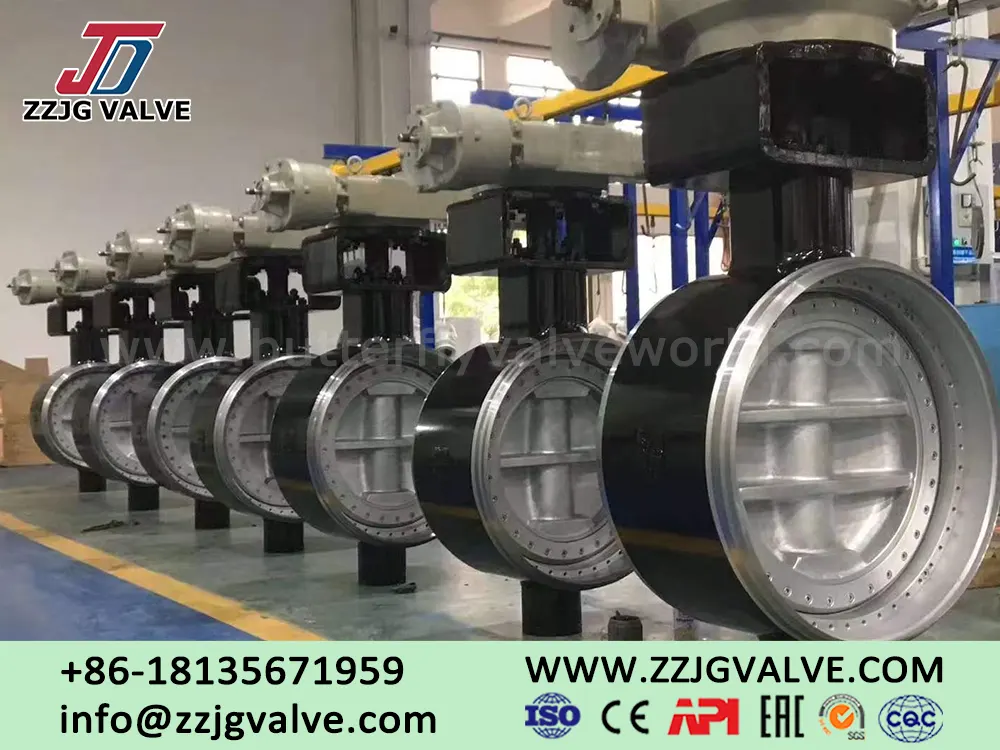
Many people may have seen china butterfly valves, but may not truly understand how they work, when to use them, or when to avoid them. Today, I'll try to explain the principles, structure, and applications of butterfly valves in simple terms, aiming to give you a clear understanding after reading.
I. China Butterfly Valves Types and Working Principle: A 90° Turn Opens, Closes, and Adjusts
The butterfly valve works very directly; simply put, it's "one turn controls everything." Its core is a disc-shaped "butterfly plate," which you can imagine as a revolving door at the entrance of a hotel, installed in the center of the pipeline.
• When the butterfly plate is rotated to be parallel to the pipeline direction, the valve is fully open, and the fluid flows through with minimal resistance.
• When the butterfly plate rotates 90 degrees, perpendicular to the pipe direction, the valve is completely closed, preventing fluid from passing through.
• By stopping at an angle between 0 and 90 degrees, the flow rate can be controlled; opening it wider results in a faster flow, and closing it less slows it down.
This simple operation gives butterfly valves two very practical advantages: quick opening and closing, and easy adjustment.
II. Core Structure: Three Major Components Working Together, Each Performing Its Own Function
The structure of a butterfly valve is not complex, mainly consisting of three key components, each playing its own role, working together to perform its function:
1. Valve Body – Essentially the outer shell of the butterfly valve. It provides a passage for the fluid and also serves as the "base" for other parts. The material used depends on the medium flowing in the pipe. For example, cast iron is sufficient for clean water; stainless steel is required for corrosive substances.
2. Valve Stem – You can think of it as a "drive shaft." The power from the external drive device is transmitted to the butterfly plate through the valve stem, causing the butterfly plate to rotate. A good valve stem undergoes special treatment to ensure smooth rotation and is also robust and corrosion-resistant.
3. Butterfly Plate – This is the true "protagonist" controlling the fluid. Its shape, material, and sealing method directly determine the valve's usability. Depending on the sealing requirements, butterfly plates are equipped with different sealing structures, resulting in soft seals and metal seals.
Incidentally, besides these three main components, butterfly valves also require an actuator to function. Common actuators include manual (handle, gear), electric, and pneumatic, depending on your site's operational convenience.
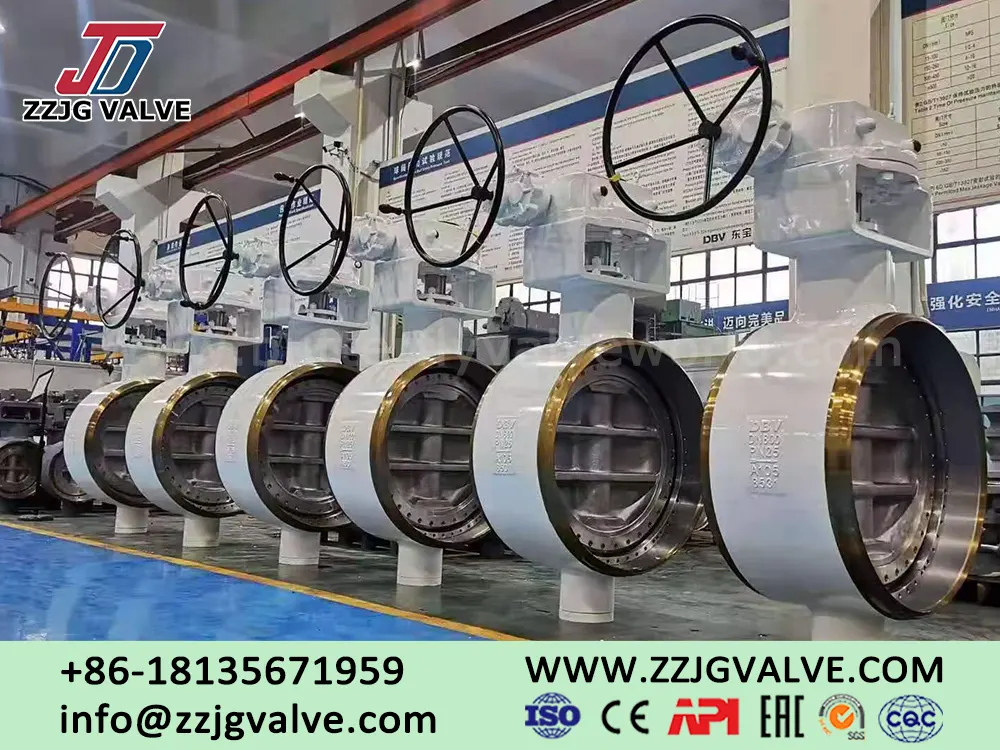
III. Where are they used? These industries all rely on them.
Butterfly valves are widely used primarily because of their "simple structure, small size, light weight, and effortless operation," making them suitable for many applications. Different types of butterfly valves perform different functions:
1. Soft-seal butterfly valve – Its sealing surface uses non-metallic materials such as rubber and PTFE, providing excellent sealing performance and virtually eliminating leakage. Suitable for applications where the medium is relatively "clean" and impurities are not allowed to enter. For example, soft-seal butterfly valves are suitable for the clean water stages of wastewater treatment plants, or for pipelines in the food and pharmaceutical industries, where high purity and sealing requirements are necessary.
2. Metal-sealed butterfly valves—the sealing surface is made of stainless steel or alloy steel, which is resistant to high temperatures, high pressures, and wear, making them suitable for harsher operating conditions. For example, metal-sealed butterfly valves are more reliable for high-temperature media in the petrochemical industry, steam pipelines in power plants, or fluids containing some particulate impurities.
3. Electric/pneumatic butterfly valves—electric and pneumatic butterfly valves are useful for remote control, automated adjustment, or explosion-proof requirements. For example, in the centralized control rooms of large chemical industrial parks or fire emergency systems, valves can be opened and closed with a click of a mouse, quickly and safely.
In addition, butterfly valves are frequently seen in pipelines in municipal water supply and drainage, metallurgy, and ventilation and dust removal industries.
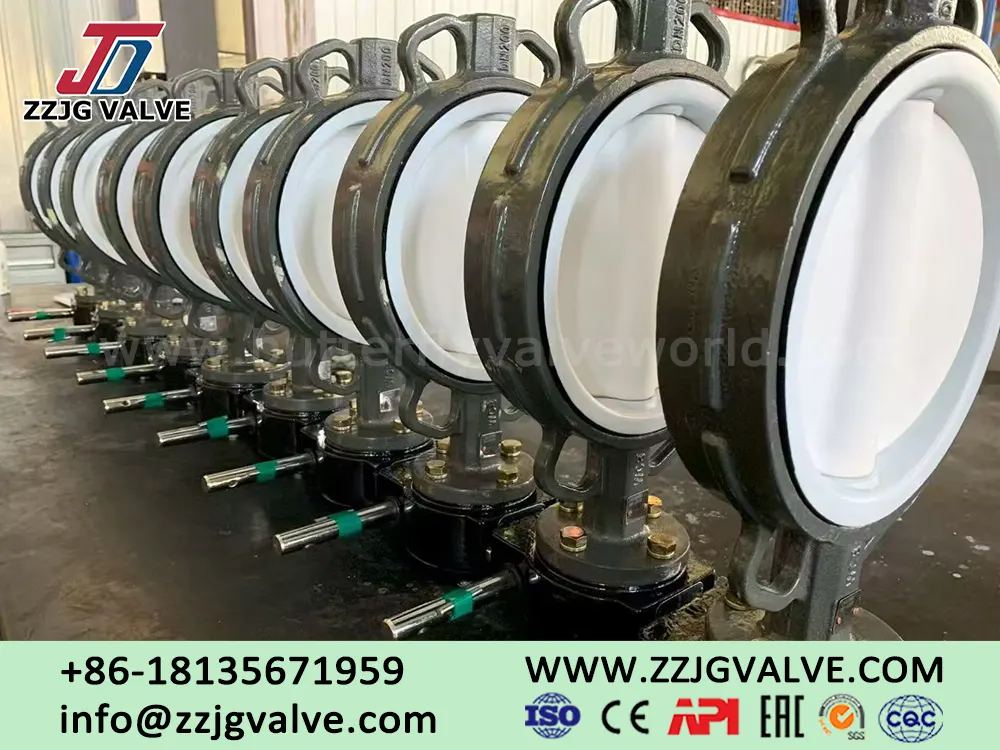
IV. Limitations and Selection Tips: Avoid These Pitfalls
While butterfly valves offer many advantages, they are not a panacea. There are a few things to keep in mind:
• They are not suitable for long-term flow regulation under high pressure. Constant throttling under high pressure can easily wear down the sealing surfaces, leading to problems in a short time.
• If the medium in the pipeline contains many hard particles, the butterfly plate and sealing surfaces can easily be eroded and damaged, and may even become stuck, causing blockages.
When selecting a butterfly valve, you must consider your specific circumstances: First, determine what the medium is (is it corrosive, does it contain particles), then consider the temperature and pressure, and finally, select the appropriate butterfly valve type based on sealing requirements and operating methods. Only by choosing the right valve can it perform its intended function and help your system run smoothly.
ZZJG Valve provides the above information on China butterfly valves types introduction . If you want to know more about China butterfly valves, please contact us via WhatsApp or email.
Many people may have seen china butterfly valves, but may not truly understand how they work, when to use them, or when to avoid them. Today, I'll try to explain the principles, structure, and applications of butterfly valves in simple terms, aiming to give you a clear understanding after reading.
I. China Butterfly Valves Types and Working Principle: A 90° Turn Opens, Closes, and Adjusts
The butterfly valve works very directly; simply put, it's "one turn controls everything." Its core is a disc-shaped "butterfly plate," which you can imagine as a revolving door at the entrance of a hotel, installed in the center of the pipeline.
• When the butterfly plate is rotated to be parallel to the pipeline direction, the valve is fully open, and the fluid flows through with minimal resistance.
• When the butterfly plate rotates 90 degrees, perpendicular to the pipe direction, the valve is completely closed, preventing fluid from passing through.
• By stopping at an angle between 0 and 90 degrees, the flow rate can be controlled; opening it wider results in a faster flow, and closing it less slows it down.
This simple operation gives butterfly valves two very practical advantages: quick opening and closing, and easy adjustment.
II. Core Structure: Three Major Components Working Together, Each Performing Its Own Function
The structure of a butterfly valve is not complex, mainly consisting of three key components, each playing its own role, working together to perform its function:
1. Valve Body – Essentially the outer shell of the butterfly valve. It provides a passage for the fluid and also serves as the "base" for other parts. The material used depends on the medium flowing in the pipe. For example, cast iron is sufficient for clean water; stainless steel is required for corrosive substances.
2. Valve Stem – You can think of it as a "drive shaft." The power from the external drive device is transmitted to the butterfly plate through the valve stem, causing the butterfly plate to rotate. A good valve stem undergoes special treatment to ensure smooth rotation and is also robust and corrosion-resistant.
3. Butterfly Plate – This is the true "protagonist" controlling the fluid. Its shape, material, and sealing method directly determine the valve's usability. Depending on the sealing requirements, butterfly plates are equipped with different sealing structures, resulting in soft seals and metal seals.
Incidentally, besides these three main components, butterfly valves also require an actuator to function. Common actuators include manual (handle, gear), electric, and pneumatic, depending on your site's operational convenience.
III. Where are they used? These industries all rely on them.
Butterfly valves are widely used primarily because of their "simple structure, small size, light weight, and effortless operation," making them suitable for many applications. Different types of butterfly valves perform different functions:
1. Soft-seal butterfly valve – Its sealing surface uses non-metallic materials such as rubber and PTFE, providing excellent sealing performance and virtually eliminating leakage. Suitable for applications where the medium is relatively "clean" and impurities are not allowed to enter. For example, soft-seal butterfly valves are suitable for the clean water stages of wastewater treatment plants, or for pipelines in the food and pharmaceutical industries, where high purity and sealing requirements are necessary.
2. Metal-sealed butterfly valves—the sealing surface is made of stainless steel or alloy steel, which is resistant to high temperatures, high pressures, and wear, making them suitable for harsher operating conditions. For example, metal-sealed butterfly valves are more reliable for high-temperature media in the petrochemical industry, steam pipelines in power plants, or fluids containing some particulate impurities.
3. Electric/pneumatic butterfly valves—electric and pneumatic butterfly valves are useful for remote control, automated adjustment, or explosion-proof requirements. For example, in the centralized control rooms of large chemical industrial parks or fire emergency systems, valves can be opened and closed with a click of a mouse, quickly and safely.
In addition, butterfly valves are frequently seen in pipelines in municipal water supply and drainage, metallurgy, and ventilation and dust removal industries.
IV. Limitations and Selection Tips: Avoid These Pitfalls
While butterfly valves offer many advantages, they are not a panacea. There are a few things to keep in mind:
• They are not suitable for long-term flow regulation under high pressure. Constant throttling under high pressure can easily wear down the sealing surfaces, leading to problems in a short time.
• If the medium in the pipeline contains many hard particles, the butterfly plate and sealing surfaces can easily be eroded and damaged, and may even become stuck, causing blockages.
When selecting a butterfly valve, you must consider your specific circumstances: First, determine what the medium is (is it corrosive, does it contain particles), then consider the temperature and pressure, and finally, select the appropriate butterfly valve type based on sealing requirements and operating methods. Only by choosing the right valve can it perform its intended function and help your system run smoothly.
ZZJG Valve provides the above information on China butterfly valves types introduction . If you want to know more about China butterfly valves, please contact us via WhatsApp or email.
Get in Touch With Us
Email: [email protected]
Mobiler/Whatsapp:+86-18135671959