Seawater Pneumatic Control Butterfly Valve Selection and Installation Examples
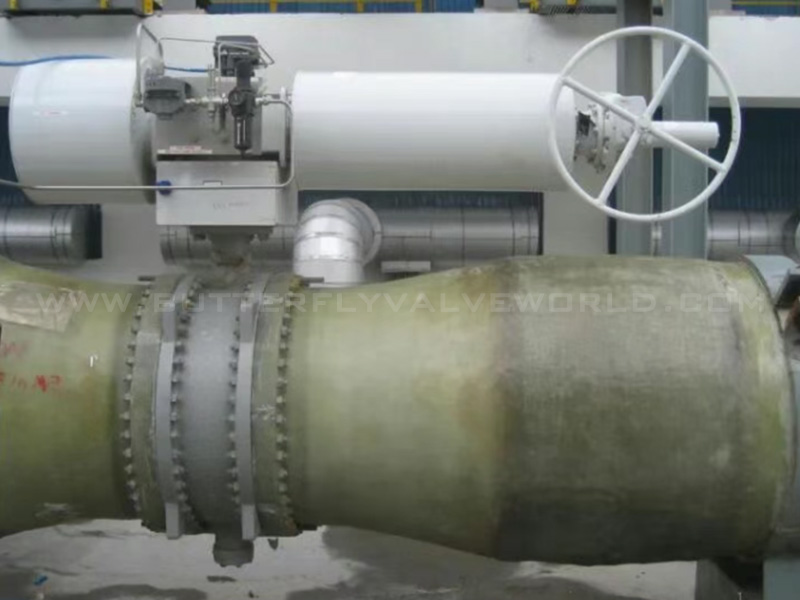
Typical materials for a rubber-lined butterfly valve for seawater centerline applications:
Valve body: A216 WCB
Valve seat: EPDM
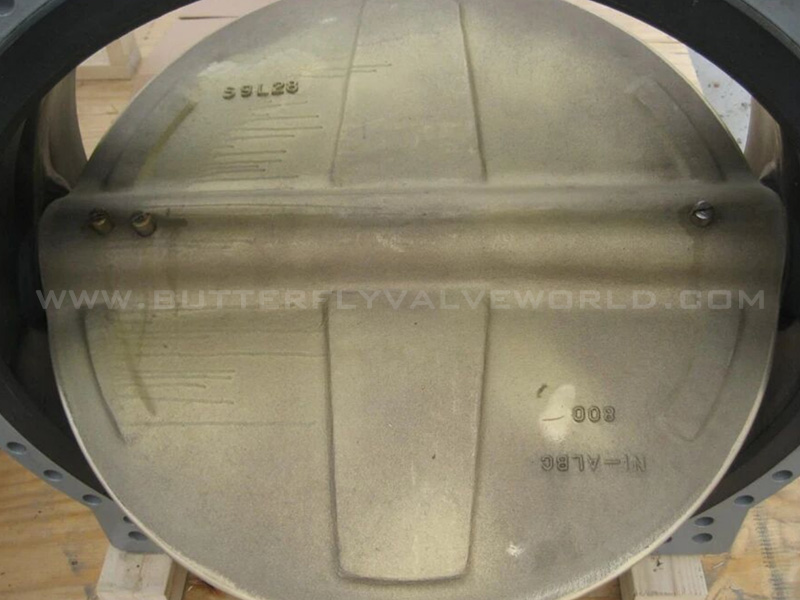
Valve plate: B148 C95800 (nickel-aluminum bronze)
Valve stem: S318003 (2205 duplex stainless steel)
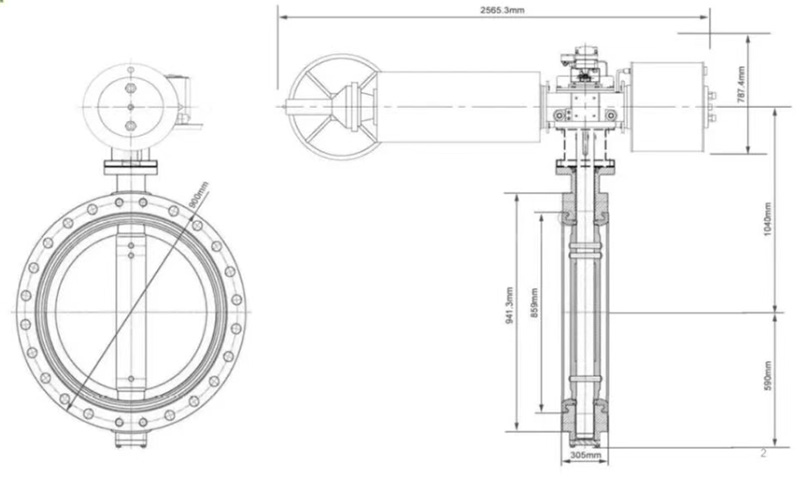
Seawater pneumatic regulating butterfly valve shape and size
Seawater corrosiveness to valves mainly manifests as electrochemical corrosion and high-concentration salt ion corrosion. Electrochemical corrosion occurs because seawater's high conductivity makes it easy for different metals to come into contact with it simultaneously, accelerating metal corrosion. High-concentration salt ion corrosion occurs because metals react chemically with chloride and sulfate ions in seawater, damaging the protective layer on the metal surface, leading to corrosion and reducing material durability.
The center-lined rubber-lined soft-seal butterfly valve isolates the valve body from seawater through a rubber lining. The lining rubber is made of EPDM rubber, which is highly resistant to seawater corrosion and has extremely strong resistance to corrosive media such as acids, alkalis, and salts. The design pressure is 0.65 MPa (g), suitable for the pressure range of center-lined rubber-lined butterfly valves.
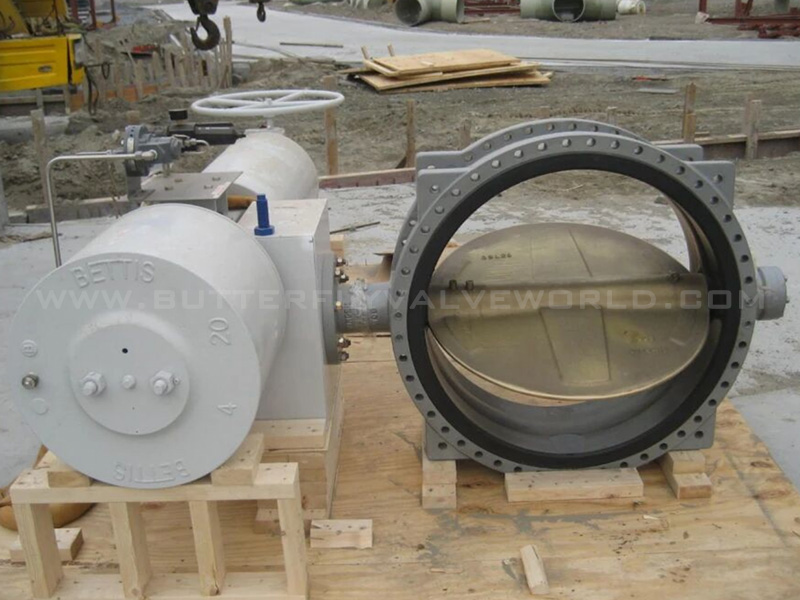
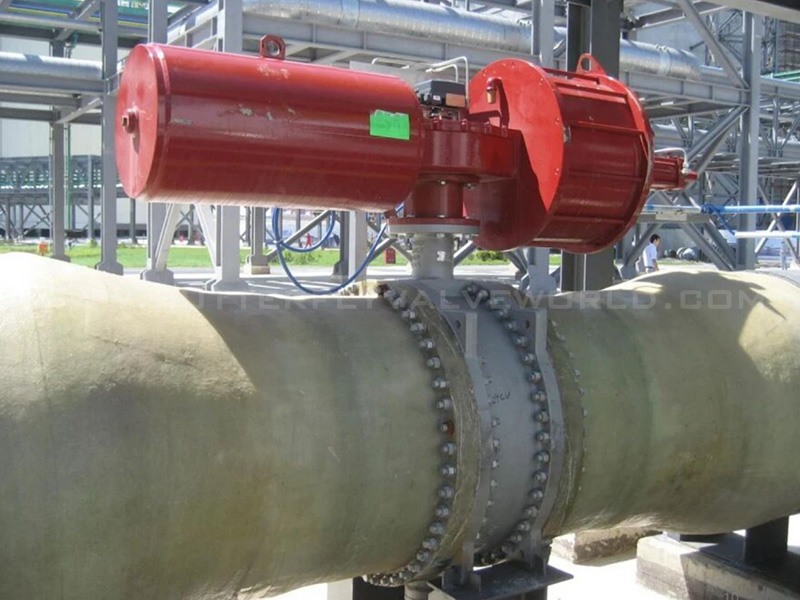
Seawater pneumatic regulating butterfly valve installation
Previous: Butterfly Valves FAQ and Repair
Get in Touch With Us
Email: [email protected]
Mobiler/Whatsapp:+86-18135671959