The Angle of Flow: How Butterfly Valves Master Pipeline Control
In pipeline network systems such as water supply and drainage, HVAC systems, and industrial fluid transportation, butterfly valves are not just simple pipeline connection devices but rather core flow regulation devices. Many on-site operation and engineering personnel only know that "adjusting the butterfly valve opening angle can control the flow rate," but do not understand the core logic linking the disc angle to pipeline flow, velocity, and pressure. In actual working conditions, blindly adjusting the disc plate angle can easily lead to unstable flow, pipeline whistling noise, sudden pressure drops, and turbulent disturbances in the medium. Understanding the principle of throttling control based on the butterfly plate angle is key to precisely regulating network flow and ensuring stable pipeline operation.
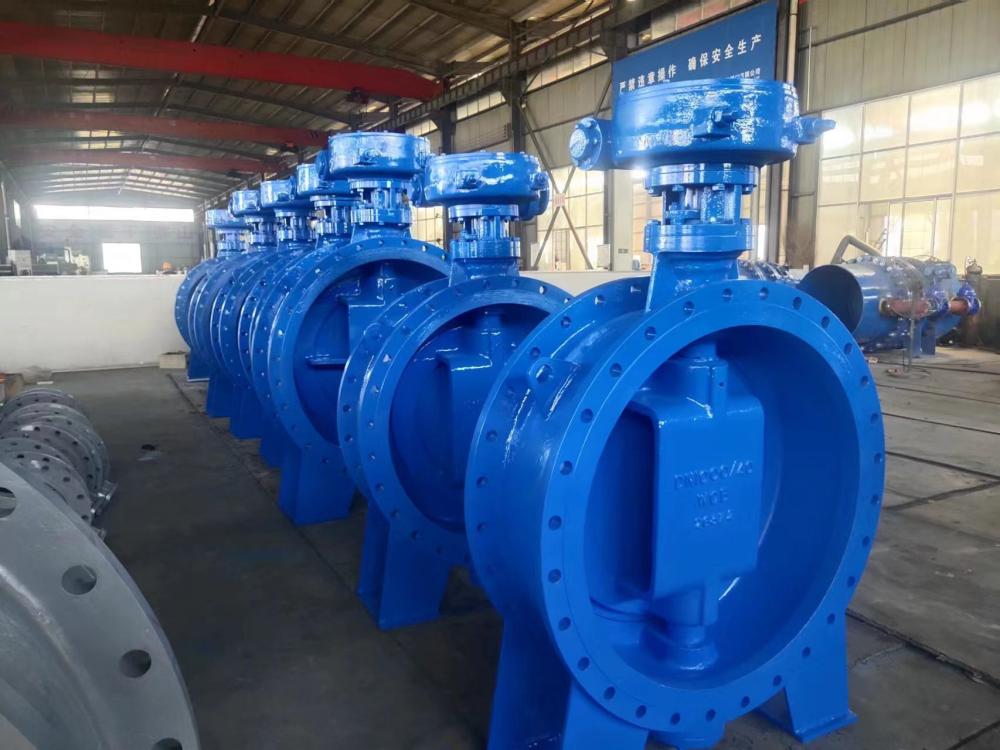
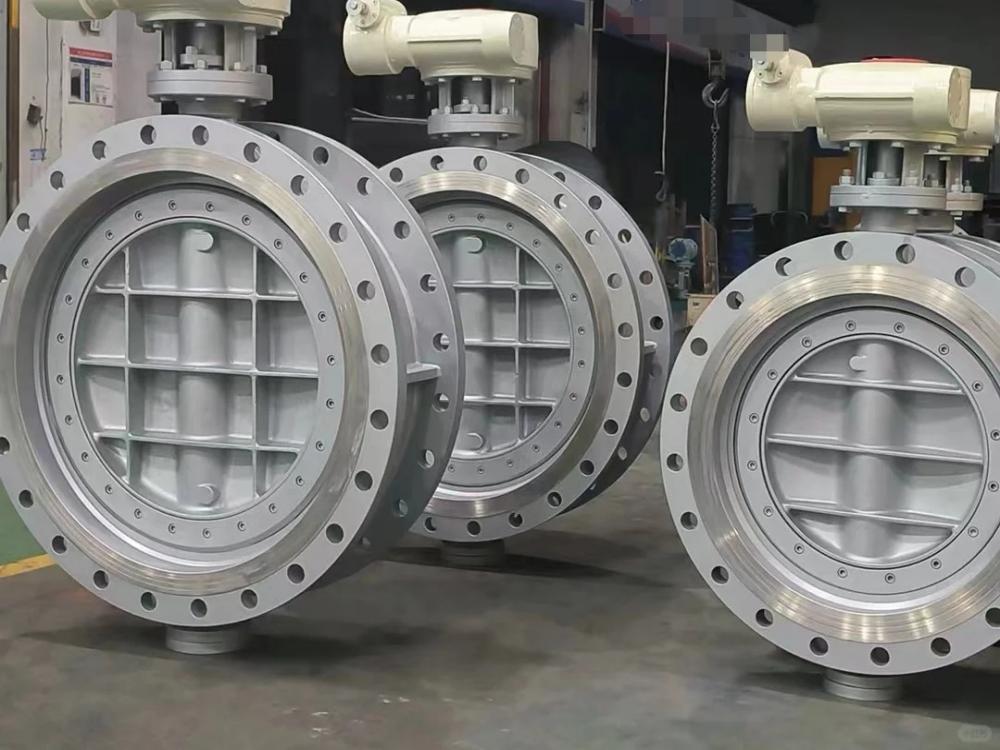
From a structural perspective, the core control component of a butterfly valve is a circular butterfly plate, which relies on the valve stem to drive the disc's rotation inside the pipeline. By changing the flow obstruction area created by the disc, the cross-sectional area of the pipeline flow is altered, thereby achieving throttling, pressure regulation, and flow control effects. Unlike the linear regulation characteristics of gate valves and globe valves, butterfly valves are rotary angle control valves. Their flow rate changes are not simply proportional to the disc's rotation angle but exhibit a unique nonlinear variation pattern, which is the core underlying logic of butterfly valve throttling control.
The rotation range of conventional butterfly valves is 0° to 90°, with significant differences in flow conditions and flow characteristics depending on the angle. At 0°, which is the fully closed state, the disc fully fits the valve body's sealing surface, the flow channel is completely sealed, the medium cannot flow, and the flow rate drops to zero; A 90° position is fully open, with the butterfly plate flowing parallel to the medium, minimizing pipeline flow resistance, and the flow rate reaching its peak. This is also the standard state for the pipeline network to operate at full capacity.
The narrow opening angle range of 10° to 30° is the core precise throttling zone for butterfly valves. In this range, the disc plate covers most of the pipe cross-section, making the flow gap narrow. Even slight changes in angle can cause a significant change in flow rate, resulting in extremely high adjustment sensitivity. This section is mostly used for small-flow pressure stabilization, fine pressure regulation, and fine end-of-pipe flow adjustment in pipeline networks. However, it should be noted that under low-angle throttling conditions, the medium can pass through narrow gaps at high speed, easily causing turbulence and eddy currents, causing pipeline vibration and noise whistle. Long-term low-angle operation accelerates erosion and wear of butterfly plates and sealing surfaces, so it is generally not recommended to operate in this area for extended periods.
Within the angle adjustment range of 30° to 60°, flow rate changes are most stable, making it the optimal operating condition for industrial pipeline flow regulation. At this stage, the disc plate has a moderate blocking area, angle changes and flow rate variations tend to balance out tend to be balanced, flow speed is stable, pressure loss is low, and severe turbulence disturbances do not occur. Whether it's HVAC water circulation, municipal water supply and drainage diversion, or ordinary industrial medium transmission, most flow regulation under these conditions is concentrated in this angle range, balancing regulation accuracy with network stability.
In the wide opening angle range of 60° to 90°, the butterfly valve's flow rate approaches saturation. Even if the opening angle of the butterfly plate is continuously increased, the incremental increase in pipeline flow will continue to decrease, approaching full flow. In this range, valve flow resistance is extremely low and pressure loss is minimal, making it suitable for main transmission pipelines requiring high flow and low throttling losses. It is mainly used to ensure full load and high-efficiency transmission of pipelines, and basically lacks fine regulation capability.
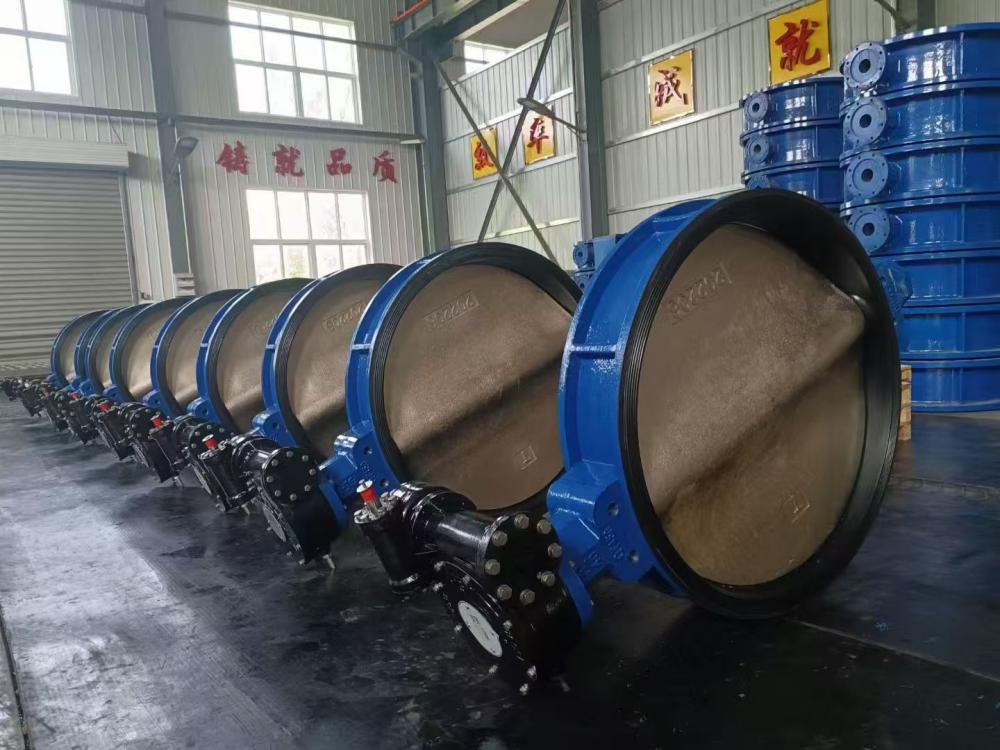
In addition to angular characteristics, butterfly valve throttling control has two other key influencing factors that directly determine the effectiveness of flow regulation. First, the butterfly valve structure type: the flow regulation of the concentric butterfly valve has moderate linearity, suitable for conventional clean water and HVAC medium regulation; Eccentric butterfly valves have better flow characteristics, lower flow resistance at large angles, and are more suitable for precise flow control in industrial conditions. Second, pipeline operating parameters: different medium flow velocities, pressure, and viscosity can cause significant deviations in actual flow rate at the same disc angle. Under high flow speed and high pressure conditions, sensitivity for small-angle adjustment is significantly improved.
Industry technicians note that butterfly valve throttling control is not simply "turning high to increase flow, closing low means lower flow." In practical engineering operations, it is necessary to reasonably control the opening and closing angles of the butterfly panels according to network flow demands, pressure parameters, and operating scenarios, avoiding the pitfall of long-term operation at small angles, and prioritizing precise flow diversion within the mid-angle range. Only by mastering the underlying control logic of butterfly angle and flow can precise flow regulation be achieved, effectively reducing pipeline noise, vibration, and scour losses, thereby improving the operational efficiency and stability of the entire fluid pipeline network.
From a structural perspective, the core control component of a butterfly valve is a circular butterfly plate, which relies on the valve stem to drive the disc's rotation inside the pipeline. By changing the flow obstruction area created by the disc, the cross-sectional area of the pipeline flow is altered, thereby achieving throttling, pressure regulation, and flow control effects. Unlike the linear regulation characteristics of gate valves and globe valves, butterfly valves are rotary angle control valves. Their flow rate changes are not simply proportional to the disc's rotation angle but exhibit a unique nonlinear variation pattern, which is the core underlying logic of butterfly valve throttling control.
The rotation range of conventional butterfly valves is 0° to 90°, with significant differences in flow conditions and flow characteristics depending on the angle. At 0°, which is the fully closed state, the disc fully fits the valve body's sealing surface, the flow channel is completely sealed, the medium cannot flow, and the flow rate drops to zero; A 90° position is fully open, with the butterfly plate flowing parallel to the medium, minimizing pipeline flow resistance, and the flow rate reaching its peak. This is also the standard state for the pipeline network to operate at full capacity.
The narrow opening angle range of 10° to 30° is the core precise throttling zone for butterfly valves. In this range, the disc plate covers most of the pipe cross-section, making the flow gap narrow. Even slight changes in angle can cause a significant change in flow rate, resulting in extremely high adjustment sensitivity. This section is mostly used for small-flow pressure stabilization, fine pressure regulation, and fine end-of-pipe flow adjustment in pipeline networks. However, it should be noted that under low-angle throttling conditions, the medium can pass through narrow gaps at high speed, easily causing turbulence and eddy currents, causing pipeline vibration and noise whistle. Long-term low-angle operation accelerates erosion and wear of butterfly plates and sealing surfaces, so it is generally not recommended to operate in this area for extended periods.
Within the angle adjustment range of 30° to 60°, flow rate changes are most stable, making it the optimal operating condition for industrial pipeline flow regulation. At this stage, the disc plate has a moderate blocking area, angle changes and flow rate variations tend to balance out tend to be balanced, flow speed is stable, pressure loss is low, and severe turbulence disturbances do not occur. Whether it's HVAC water circulation, municipal water supply and drainage diversion, or ordinary industrial medium transmission, most flow regulation under these conditions is concentrated in this angle range, balancing regulation accuracy with network stability.
In the wide opening angle range of 60° to 90°, the butterfly valve's flow rate approaches saturation. Even if the opening angle of the butterfly plate is continuously increased, the incremental increase in pipeline flow will continue to decrease, approaching full flow. In this range, valve flow resistance is extremely low and pressure loss is minimal, making it suitable for main transmission pipelines requiring high flow and low throttling losses. It is mainly used to ensure full load and high-efficiency transmission of pipelines, and basically lacks fine regulation capability.
In addition to angular characteristics, butterfly valve throttling control has two other key influencing factors that directly determine the effectiveness of flow regulation. First, the butterfly valve structure type: the flow regulation of the concentric butterfly valve has moderate linearity, suitable for conventional clean water and HVAC medium regulation; Eccentric butterfly valves have better flow characteristics, lower flow resistance at large angles, and are more suitable for precise flow control in industrial conditions. Second, pipeline operating parameters: different medium flow velocities, pressure, and viscosity can cause significant deviations in actual flow rate at the same disc angle. Under high flow speed and high pressure conditions, sensitivity for small-angle adjustment is significantly improved.
Industry technicians note that butterfly valve throttling control is not simply "turning high to increase flow, closing low means lower flow." In practical engineering operations, it is necessary to reasonably control the opening and closing angles of the butterfly panels according to network flow demands, pressure parameters, and operating scenarios, avoiding the pitfall of long-term operation at small angles, and prioritizing precise flow diversion within the mid-angle range. Only by mastering the underlying control logic of butterfly angle and flow can precise flow regulation be achieved, effectively reducing pipeline noise, vibration, and scour losses, thereby improving the operational efficiency and stability of the entire fluid pipeline network.
Next: Return to list
Get in Touch With Us
Email: [email protected]
Mobiler/Whatsapp:+86-18135671959