Explosion-Proof Butterfly Valves: Safety Configuration for Hazardous Chemical Pipelines
Pipelines for flammable and explosive media in industries such as chemical, petrochemical, and oil and gas storage and transportation have long posed fire and explosion safety hazards. Ordinary butterfly valves are prone to electrical sparks, mechanical friction and high temperatures, static electricity buildup, and other risks during operation. Once exposed to combustible media, they can easily cause safety accidents. Explosion-proof butterfly valves, with their dedicated explosion-proof structures and safety designs, can adapt to high-risk explosive operating conditions and are core safety equipment for fluid control in hazardous chemical pipelines. This article briefly explains the applicable scenarios, explosion-proof principles, and standardized configuration requirements for explosion-proof butterfly valves, providing practical references for project selection and operation and maintenance.
Compared with ordinary butterfly valves, the core advantage of explosion-proof butterfly valves is eliminating ignition and explosion causes at the source. Ordinary valve actuators and wiring chambers have poor sealing, resulting in arcs, sparks, and high friction during operation, which easily ignite mixtures of combustible gases, steam, and dust. Compliant explosion-proof butterfly valves all pass professional explosion-proof certifications. The drive mechanism uses a fully sealed explosion-proof housing, integrating multiple protections including explosion protection, safety enhancement, anti-static, and spark protection. It can stably open and close in explosive hazardous environments, completely avoiding the risk of ignition and explosion during operating conditions.
Explosion-proof butterfly valves are specifically adapted to various high-risk chemical conditions, covering three major explosive media scenarios: gas, liquid, and dust. The first is the operating conditions of combustible gas pipelines. In pipelines of flammable and explosive gases such as natural gas, liquefied petroleum gas, hydrogen, and methanol vapor, the medium easily forms explosive mixtures with air, making it a high-risk condition and requiring the use of explosion-proof butterfly valves.
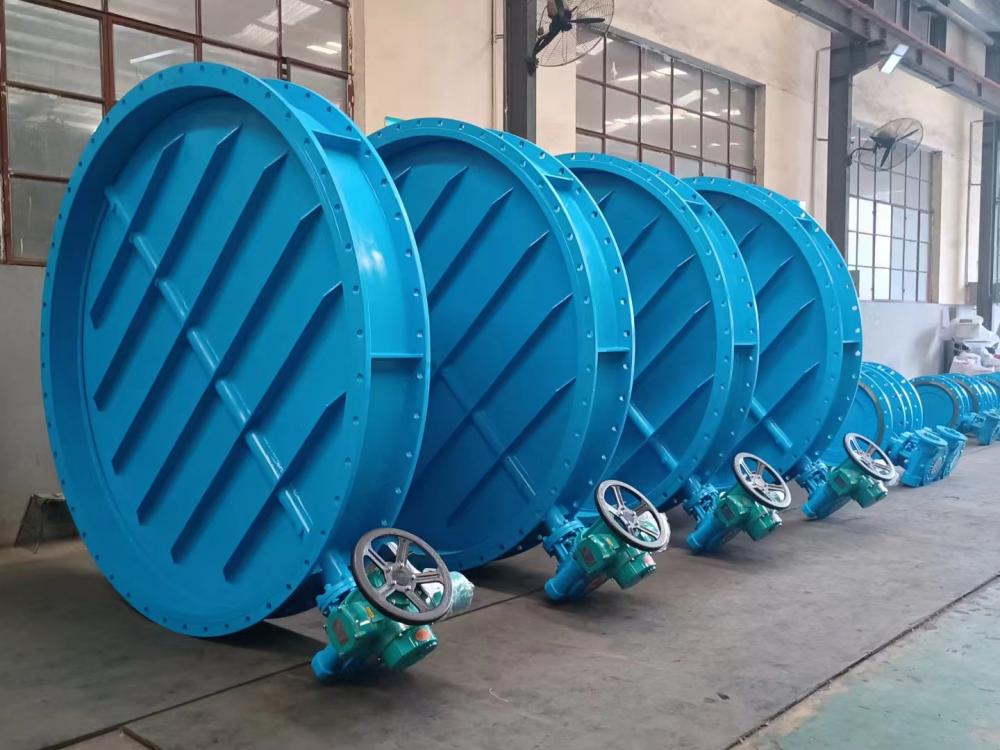
The second is the transportation of flammable liquids. Flammable chemical liquids such as ethanol, acetone, benzene, and light fuel are highly volatile, and after leakage, they easily form combustible vapor clouds. Ordinary valves cannot meet safety standards, so butterfly valves with corresponding explosion-proof ratings must be matched to ensure pipeline operation safety.
Third, combustible dust conditions. In dust removal and material conveying pipelines in fine chemical, powder pigment, and pesticide production scenarios, suspended combustible dust easily creates explosive environments, so dust explosion-proof butterfly valves must be equipped to prevent mechanical friction sparks from causing dust explosions.
The fourth is the chemical explosion-proof zoning scenario. According to national explosion-proof standards, explosion-proof butterfly valves are mandatory for fluid pipelines in explosive hazardous zones of Zone 0, Zone 1, and Zone 2 of the plant must be mandatorily equipped with explosion-proof butterfly valves. Zone 0 is a high-risk area where explosive media are continuously present and requires the highest explosion-proof grade products; Zones 1 and 2 should match valves with the corresponding protection level based on the probability of media presence.
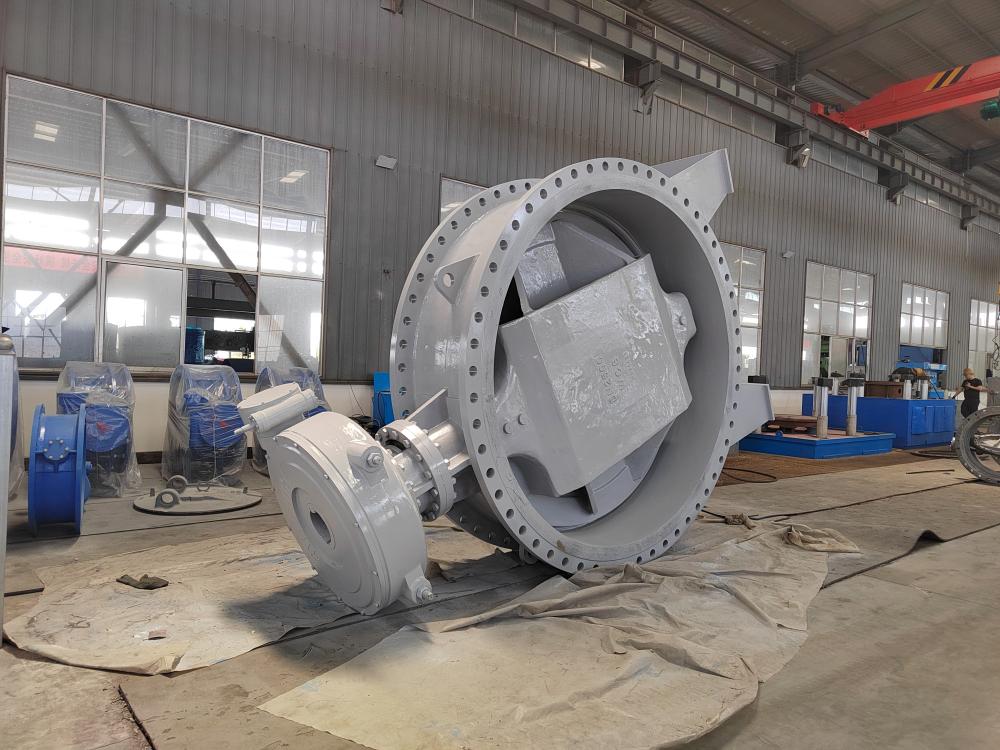
Explosion-proof butterfly valves must be installed in hazardous chemical pipelines strictly following industry standards and must not be replaced arbitrarily. Explosion-proof ratings must be precisely matched: conventional chemical gases must meet Exd IIB explosion-proof standards, while high-risk media such as hydrogen and acetylene require the highest Exd IIC grade; The dust operating conditions must comply with the Ex tD dust explosion-proof standard, and mixing with lower-standard valves is strictly prohibited.
On the premise that drive and structural configurations comply with regulations; high-risk pipelines should prioritize explosion-proof electric and pneumatic butterfly valves, and ordinary civilian drive devices should be prohibited. The equipment comes standard with a dedicated explosion-proof junction box and sealing joints. The casing features dustproof, waterproof, and explosion-proof properties, and a built-in anti-static structure that can promptly release static electricity and prevent static sparks. At the same time, the valve body and butterfly plate materials must be adapted to the characteristics of the medium, while also considering corrosion resistance and wear resistance to prevent potential risks caused by media leakage.
Installation and operation and maintenance must be standardized. Explosion-proof butterfly valves must be installed by certified professionals, strictly following explosion-proof electrical construction standards to ensure tight wiring seals and prevent dust and air intake from the chamber. Regular inspections of housing integrity, sealing performance, and static discharge device status are required. It is strictly forbidden to disassemble or modify explosion-proof structures without authorization. Renovating old pipeline networks requires comprehensive replacement, thereby eliminating the safety hazards of equipment operating with faults.
Industry safety technicians state that the safety of chemical hazardous chemical pipelines focuses on source prevention and precise adaptation. As a safety barrier for high-risk pipelines, the standardization of selection, configuration, and installation of explosion-proof butterfly valves directly determines the safety bottom line of the production line. In engineering applications, it is necessary to abandon the misconception of mixing general valves, precisely select based on media type, explosion-proof zone grade, and operating temperature and pressure, implement standardized operation and maintenance, avoid ignition hazards at the source, and build a solid line of defense for chemical pipeline safety production.
Compared with ordinary butterfly valves, the core advantage of explosion-proof butterfly valves is eliminating ignition and explosion causes at the source. Ordinary valve actuators and wiring chambers have poor sealing, resulting in arcs, sparks, and high friction during operation, which easily ignite mixtures of combustible gases, steam, and dust. Compliant explosion-proof butterfly valves all pass professional explosion-proof certifications. The drive mechanism uses a fully sealed explosion-proof housing, integrating multiple protections including explosion protection, safety enhancement, anti-static, and spark protection. It can stably open and close in explosive hazardous environments, completely avoiding the risk of ignition and explosion during operating conditions.
Explosion-proof butterfly valves are specifically adapted to various high-risk chemical conditions, covering three major explosive media scenarios: gas, liquid, and dust. The first is the operating conditions of combustible gas pipelines. In pipelines of flammable and explosive gases such as natural gas, liquefied petroleum gas, hydrogen, and methanol vapor, the medium easily forms explosive mixtures with air, making it a high-risk condition and requiring the use of explosion-proof butterfly valves.
The second is the transportation of flammable liquids. Flammable chemical liquids such as ethanol, acetone, benzene, and light fuel are highly volatile, and after leakage, they easily form combustible vapor clouds. Ordinary valves cannot meet safety standards, so butterfly valves with corresponding explosion-proof ratings must be matched to ensure pipeline operation safety.
Third, combustible dust conditions. In dust removal and material conveying pipelines in fine chemical, powder pigment, and pesticide production scenarios, suspended combustible dust easily creates explosive environments, so dust explosion-proof butterfly valves must be equipped to prevent mechanical friction sparks from causing dust explosions.
The fourth is the chemical explosion-proof zoning scenario. According to national explosion-proof standards, explosion-proof butterfly valves are mandatory for fluid pipelines in explosive hazardous zones of Zone 0, Zone 1, and Zone 2 of the plant must be mandatorily equipped with explosion-proof butterfly valves. Zone 0 is a high-risk area where explosive media are continuously present and requires the highest explosion-proof grade products; Zones 1 and 2 should match valves with the corresponding protection level based on the probability of media presence.
Explosion-proof butterfly valves must be installed in hazardous chemical pipelines strictly following industry standards and must not be replaced arbitrarily. Explosion-proof ratings must be precisely matched: conventional chemical gases must meet Exd IIB explosion-proof standards, while high-risk media such as hydrogen and acetylene require the highest Exd IIC grade; The dust operating conditions must comply with the Ex tD dust explosion-proof standard, and mixing with lower-standard valves is strictly prohibited.
On the premise that drive and structural configurations comply with regulations; high-risk pipelines should prioritize explosion-proof electric and pneumatic butterfly valves, and ordinary civilian drive devices should be prohibited. The equipment comes standard with a dedicated explosion-proof junction box and sealing joints. The casing features dustproof, waterproof, and explosion-proof properties, and a built-in anti-static structure that can promptly release static electricity and prevent static sparks. At the same time, the valve body and butterfly plate materials must be adapted to the characteristics of the medium, while also considering corrosion resistance and wear resistance to prevent potential risks caused by media leakage.
Installation and operation and maintenance must be standardized. Explosion-proof butterfly valves must be installed by certified professionals, strictly following explosion-proof electrical construction standards to ensure tight wiring seals and prevent dust and air intake from the chamber. Regular inspections of housing integrity, sealing performance, and static discharge device status are required. It is strictly forbidden to disassemble or modify explosion-proof structures without authorization. Renovating old pipeline networks requires comprehensive replacement, thereby eliminating the safety hazards of equipment operating with faults.
Industry safety technicians state that the safety of chemical hazardous chemical pipelines focuses on source prevention and precise adaptation. As a safety barrier for high-risk pipelines, the standardization of selection, configuration, and installation of explosion-proof butterfly valves directly determines the safety bottom line of the production line. In engineering applications, it is necessary to abandon the misconception of mixing general valves, precisely select based on media type, explosion-proof zone grade, and operating temperature and pressure, implement standardized operation and maintenance, avoid ignition hazards at the source, and build a solid line of defense for chemical pipeline safety production.
Get in Touch With Us
Email: [email protected]
Mobiler/Whatsapp:+86-18135671959